
Leading Fire Restoration Tools And Supplies For Professionals
Equip yourself with industry-standard products designed to handle fire damage efficiently and effectively.
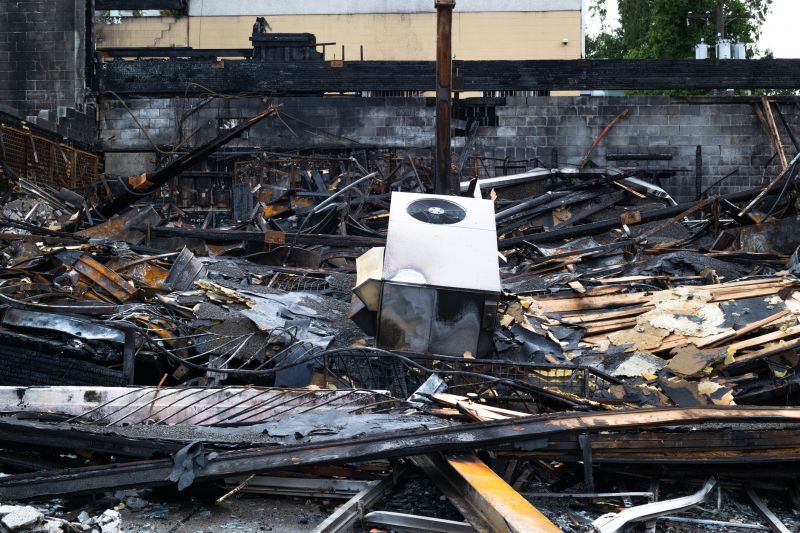 Fire restoration products are essential tools and materials used to repair and rehabilitate structures affected by fire damage. These products help mitigate smoke and soot residues, restore structural integrity, and improve indoor air quality. When selecting fire restoration supplies, it is important to consider the specific needs of the damaged property, including the extent of soot contamination, structural damage, and odor issues. Proper use of these products can facilitate a more efficient restoration process, helping property owners and restoration professionals achieve cleaner, safer environments.
Top Overall Option
Multi-Purpose Fire Damage Restoration Kit
A comprehensive kit that includes various cleaning agents, odor neutralizers, and protective coatings designed for versatile use across different fire-damaged surfaces. This all-in-one solution simplifies the restoration process by providing essential products in a single package, suitable for both professionals and DIY restorers.
Types of Products For Fire Restorations
Fire Odor Neutralizers
Products formulated to eliminate persistent smoke odors from indoor environments, often using enzymes or activated charcoal.
Soot Removers
Specialized cleaning agents designed to dissolve and remove soot residues from walls, ceilings, and surfaces.
Smoke Damage Cleaners
Effective formulations for cleaning surfaces affected by smoke stains and residues.
Fire-Resistant Sealants
Sealants used to contain soot and smoke residues and prevent further contamination.
Structural Reinforcement Materials
Products like fire-retardant paints and coatings that help reinforce compromised structures.
Dehumidifiers
Equipment used to control moisture levels in fire-damaged areas, preventing mold growth.
Air Purifiers
Devices equipped with HEPA filters and activated carbon to improve indoor air quality after fire damage.
Fire-Resistant Drywall and Panels
Building materials designed to withstand high temperatures and prevent fire spread.
Protective Coatings
Sealants and paints that provide a barrier against future damage and help encapsulate soot residues.
Cleaning Brushes and Tools
Specialized brushes, scrubbers, and tools optimized for soot and smoke residue removal.
Personal Protective Equipment
Gear including masks, gloves, and suits to ensure safety during restoration work.
Moisture Barriers and Encapsulants
Materials used to prevent moisture infiltration and contain residues during restoration.
Popular Choices
Sprays formulated to quickly neutralize smoke odors on various surfaces.
Convenient pre-moistened wipes for spot cleaning soot from surfaces.
All-in-one kits containing essential cleaning and odor control products for fire damage recovery.
Air purifiers with HEPA filters to remove airborne soot and smoke particles.
Coatings designed to provide a fire-resistant surface layer, often used in structural repairs.
Specialized solutions for deep cleaning of smoke-affected surfaces.
Portable charcoal bags that absorb lingering smoke odors in indoor spaces.
Building panels designed to withstand high temperatures and prevent fire spread.
Coatings that add an extra layer of protection to surfaces vulnerable to fire.
Heavy-duty dehumidifiers for large-scale fire damage remediation projects.
Tools designed for effective manual removal of soot from surfaces.
Masks designed to filter out soot particles and protect workers during cleanup.
Fire damage often leaves behind complex challenges such as charred surfaces, lingering smoke odors, and compromised building materials. Restoration products designed for these issues include specialized cleaning agents, odor neutralizers, and protective coatings. Using the right combination of these items can significantly reduce the time and effort required to restore a property to its pre-fire condition. It is also crucial to follow safety guidelines and manufacturer instructions to ensure effective and safe application.
In addition to cleaning and odor control, fire restoration products may include materials for structural reinforcement and moisture control. Fire-damaged areas are often prone to mold growth if moisture is not properly managed, making dehumidifiers and moisture barriers important components of a comprehensive restoration plan. Selecting high-quality, compatible products tailored to the specific damage can help achieve a more thorough and long-lasting restoration outcome. Whether working on residential or commercial properties, understanding the variety of available products empowers restoration professionals and property owners alike to make informed decisions during the recovery process.
Key Buying Considerations
- Assess the extent of soot and smoke damage to determine appropriate cleaning products.
- Choose products compatible with the surfaces and materials affected by fire damage.
- Consider the safety and toxicity levels of cleaning agents and ensure proper ventilation during use.
- Evaluate the size and scope of the restoration project to select suitable equipment and supplies.
- Look for products with clear instructions and safety warnings to ensure proper application.
- Prioritize products that offer odor neutralization alongside surface cleaning for comprehensive results.
- Determine if structural reinforcement materials are necessary based on damage assessment.
- Select air purification and moisture control equipment to prevent mold growth during restoration.
- Check for compatibility with existing building materials and renovation plans.
- Consider the ease of use and whether professional assistance might be needed for certain products.
- Review product reviews and ratings to gauge effectiveness and reliability.
- Ensure availability of replacement parts or refills for ongoing restoration efforts.
- Think about the environmental conditions of the property, such as humidity and ventilation.
- Budget for high-quality products that may offer better long-term results and safety.